Building a home is one of the biggest investments you'll ever make. Proper planning, selecting the right professionals, and using quality materials can help you avoid costly mistakes and ensure your dream home is built to last.
Building a home is one of the biggest investments you'll ever make. Proper planning, selecting the right professionals, and using quality materials can help you avoid costly mistakes and ensure your dream home is built to last.
**Step 1: Define Your Budget**
Before starting construction, calculate your overall budget, including land cost, construction cost, interior work, government approvals, utility connections, and a contingency fund of 5–10%. Always keep a reserve fund for unexpected expenses.
**Step 2: Choose the Right Plot**
Select land after checking legal ownership documents, soil quality, road access, water availability, electricity connection, and future development in the area.
**Step 3: Plan Your Home Design**
Work with an experienced architect to create a house that matches your family's needs. Consider number of bedrooms, parking space, natural lighting, ventilation, future expansion, and energy efficiency.
**Step 4: Obtain Required Approvals**
Before construction begins, obtain approvals from your local authority, including building plan approval, layout approval, property tax registration, and water and electricity permissions. Requirements vary by state and municipality.
**Step 5: Select a Trusted Contractor**
A reliable contractor ensures quality construction and timely completion. Before hiring, verify previous projects, check customer reviews, compare quotations, confirm work schedule, and sign a detailed construction agreement.
**Step 6: Use Quality Construction Materials**
The strength of your home depends on the quality of materials used. Choose certified materials — cement, steel, bricks or blocks, sand, aggregates, electrical cables, and plumbing pipes. Avoid purchasing materials based only on the lowest price.
**Step 7: Monitor Construction Progress**
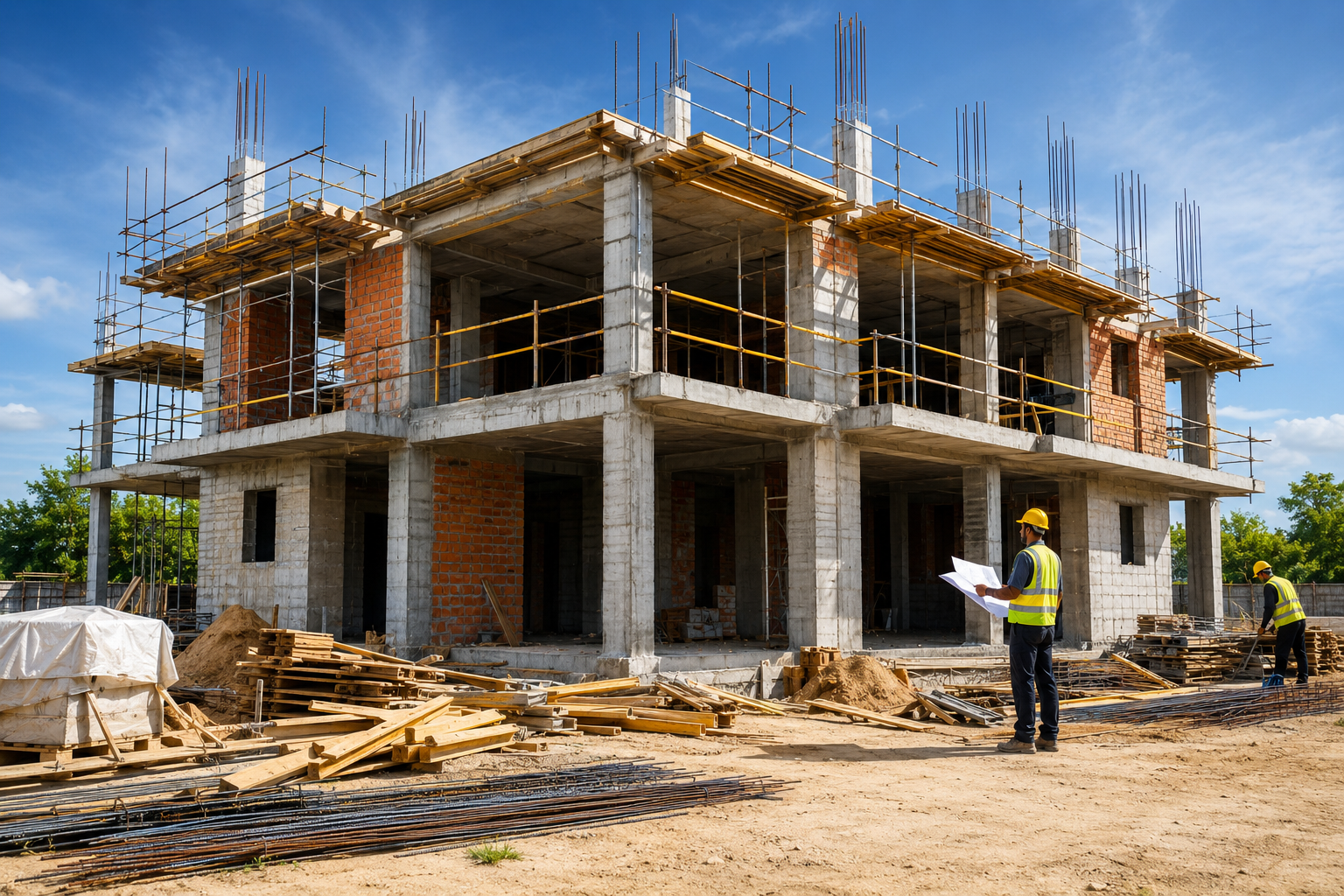
Visit the site regularly and inspect foundation work, reinforcement steel, concrete quality, brickwork, plumbing, and electrical installations. Regular inspections help identify issues before they become expensive repairs.
**Step 8: Focus on Safety**
Construction safety protects both workers and your investment. Ensure safety helmets and equipment are used, proper scaffolding is installed, electrical safety measures are followed, and the site is kept clean and organized.
**Step 9: Plan Interior Work Early**
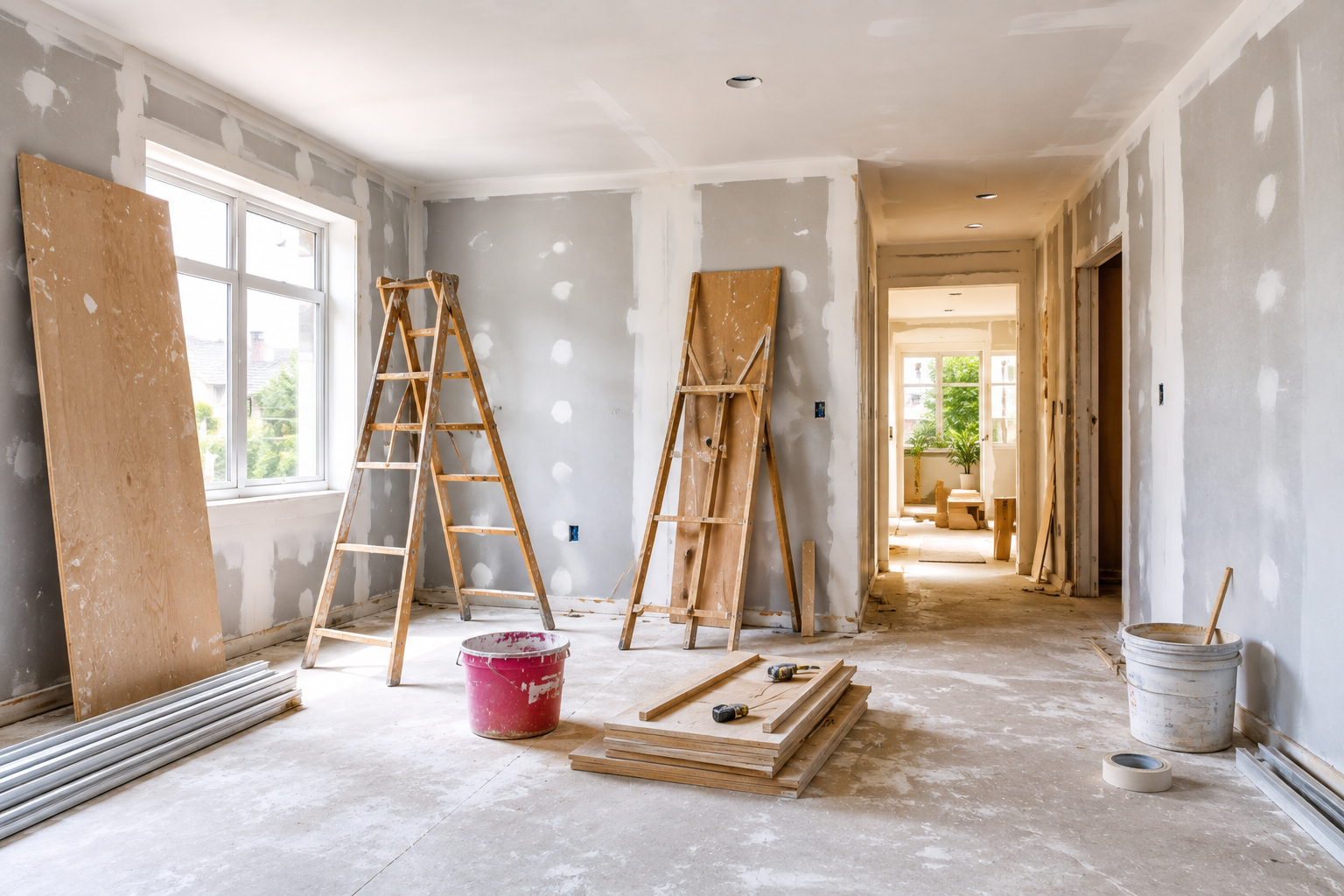
Interior planning should begin before structural work is completed — flooring, modular kitchen, wardrobes, false ceiling, lighting, and paint selection. Early planning saves both time and money.
**Step 10: Final Inspection Before Handover**
Before moving in, inspect doors and windows, plumbing leaks, electrical points, paint finish, tiles and flooring, waterproofing, and overall workmanship. Prepare a checklist and ensure all pending work is completed before making the final payment.
**Conclusion**
Building your dream home is a journey that requires careful planning, quality materials, and experienced professionals. By following these ten essential steps, you can minimize delays, control costs, and create a home that is safe, durable, and comfortable for years to come.
**Frequently Asked Questions**
*How long does it take to build a house?* A typical residential home takes 8–18 months, depending on size, design, approvals, and weather conditions.
*What is the most important stage of construction?* The foundation and structural work — they determine the strength and durability of the building.
*How much contingency budget should I keep?* Reserve 5–10% of your total construction budget for unexpected costs.
*How often should I visit the construction site?* Visiting at least once a week helps ensure the project is progressing according to plan.
**Step 1: Define Your Budget**
Before starting construction, calculate your overall budget, including land cost, construction cost, interior work, government approvals, utility connections, and a contingency fund of 5–10%. Always keep a reserve fund for unexpected expenses.
**Step 2: Choose the Right Plot**
Select land after checking legal ownership documents, soil quality, road access, water availability, electricity connection, and future development in the area.
**Step 3: Plan Your Home Design**
Work with an experienced architect to create a house that matches your family's needs. Consider number of bedrooms, parking space, natural lighting, ventilation, future expansion, and energy efficiency.
**Step 4: Obtain Required Approvals**
Before construction begins, obtain approvals from your local authority, including building plan approval, layout approval, property tax registration, and water and electricity permissions. Requirements vary by state and municipality.
**Step 5: Select a Trusted Contractor**
A reliable contractor ensures quality construction and timely completion. Before hiring, verify previous projects, check customer reviews, compare quotations, confirm work schedule, and sign a detailed construction agreement.
**Step 6: Use Quality Construction Materials**
The strength of your home depends on the quality of materials used. Choose certified materials — cement, steel, bricks or blocks, sand, aggregates, electrical cables, and plumbing pipes. Avoid purchasing materials based only on the lowest price.
**Step 7: Monitor Construction Progress**
Visit the site regularly and inspect foundation work, reinforcement steel, concrete quality, brickwork, plumbing, and electrical installations. Regular inspections help identify issues before they become expensive repairs.
**Step 8: Focus on Safety**
Construction safety protects both workers and your investment. Ensure safety helmets and equipment are used, proper scaffolding is installed, electrical safety measures are followed, and the site is kept clean and organized.
**Step 9: Plan Interior Work Early**
Interior planning should begin before structural work is completed — flooring, modular kitchen, wardrobes, false ceiling, lighting, and paint selection. Early planning saves both time and money.
**Step 10: Final Inspection Before Handover**
Before moving in, inspect doors and windows, plumbing leaks, electrical points, paint finish, tiles and flooring, waterproofing, and overall workmanship. Prepare a checklist and ensure all pending work is completed before making the final payment.
**Conclusion**
Building your dream home is a journey that requires careful planning, quality materials, and experienced professionals. By following these ten essential steps, you can minimize delays, control costs, and create a home that is safe, durable, and comfortable for years to come.
**Frequently Asked Questions**
*How long does it take to build a house?* A typical residential home takes 8–18 months, depending on size, design, approvals, and weather conditions.
*What is the most important stage of construction?* The foundation and structural work — they determine the strength and durability of the building.
*How much contingency budget should I keep?* Reserve 5–10% of your total construction budget for unexpected costs.
*How often should I visit the construction site?* Visiting at least once a week helps ensure the project is progressing according to plan.
Was this helpful?
Share this article with someone who might find it useful.
Start Your Project Today
Connect with verified builders and get multiple quotes for your construction needs.