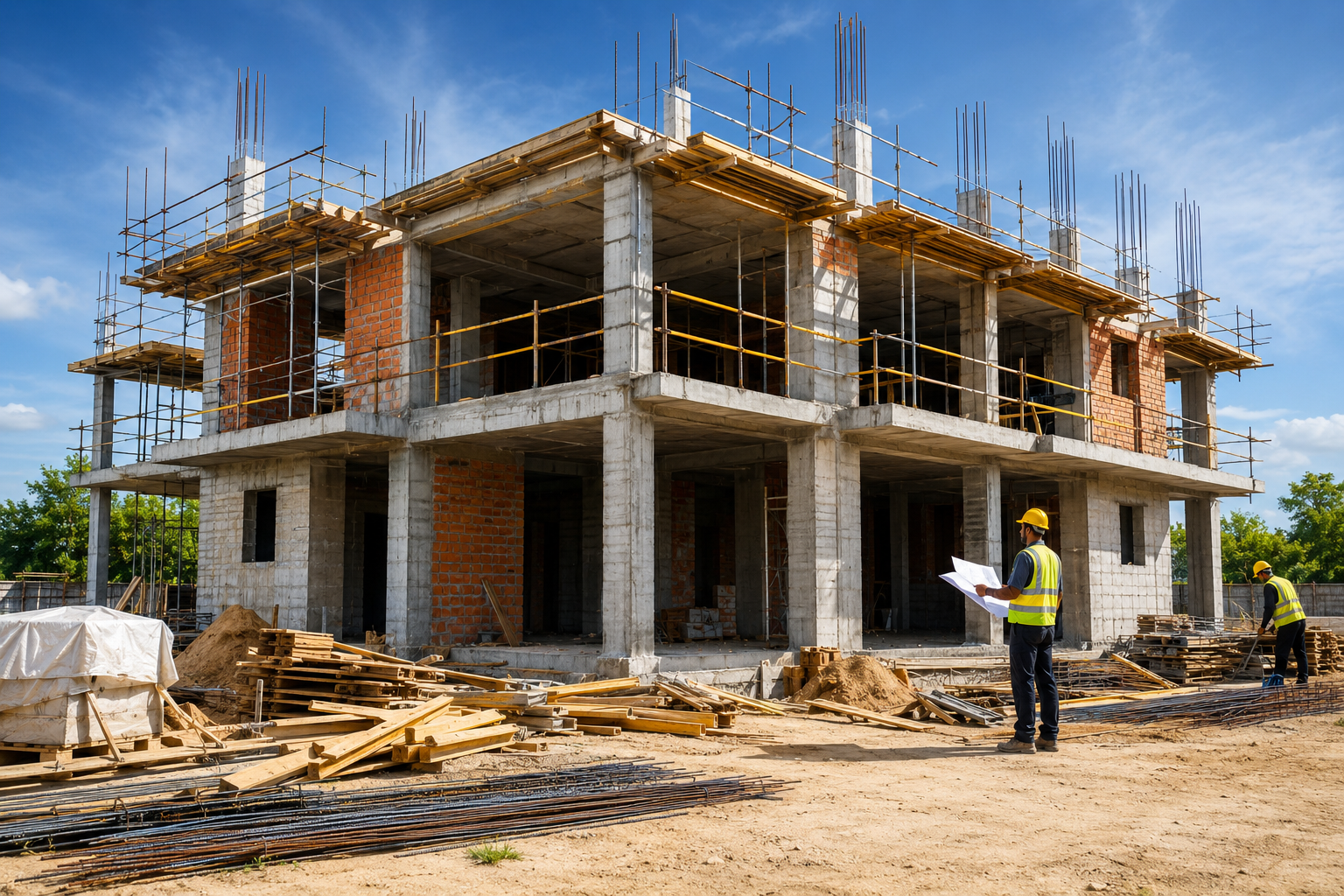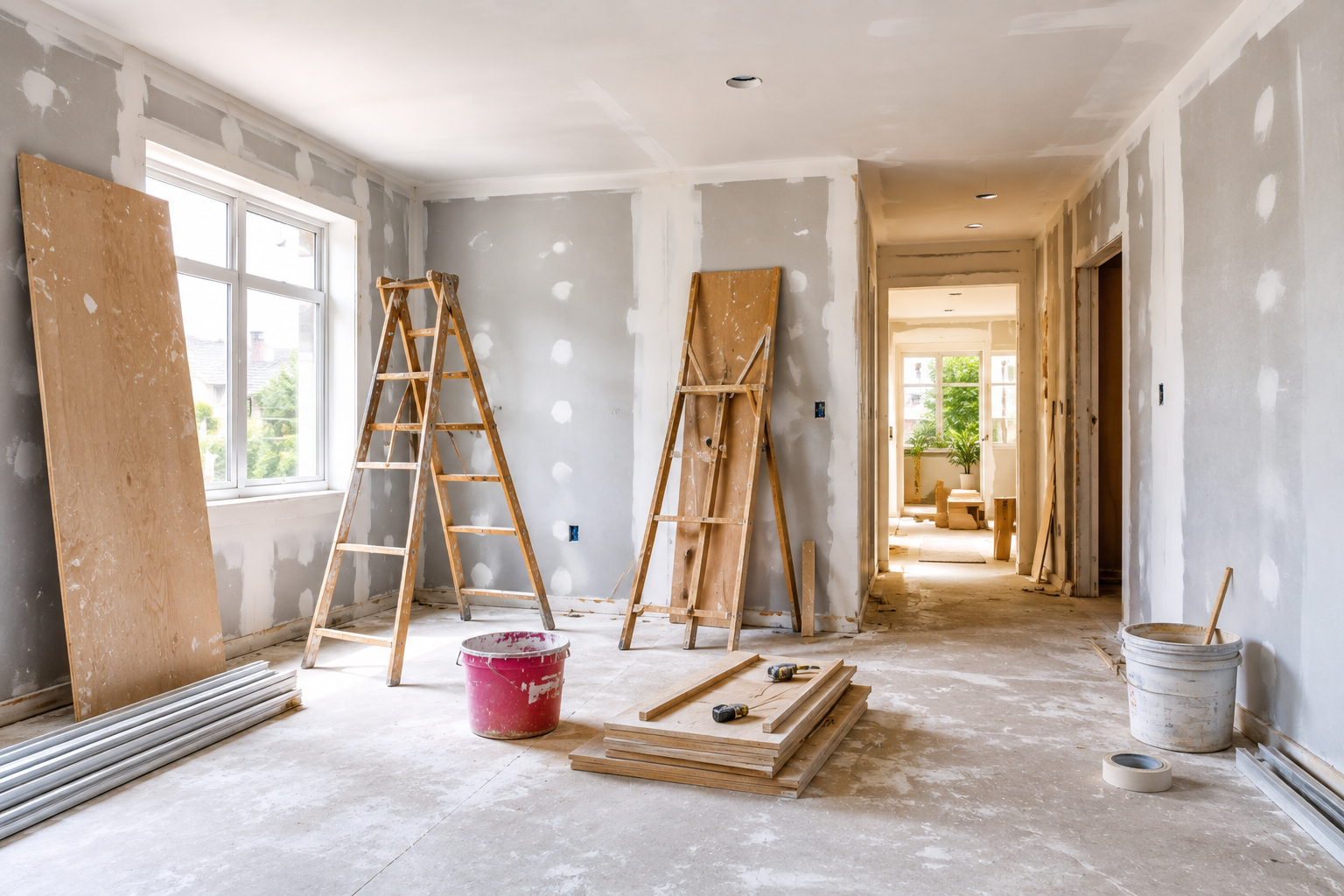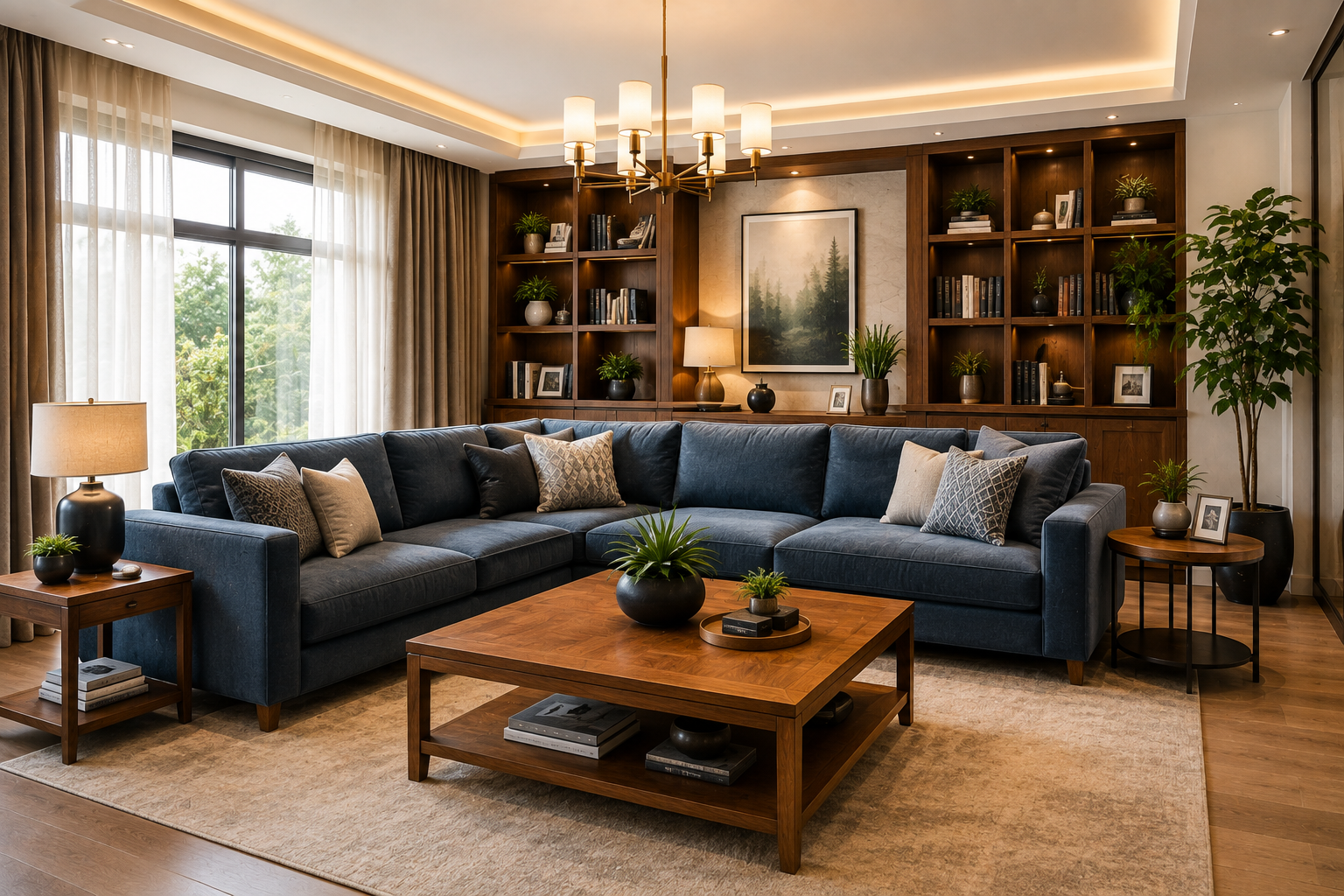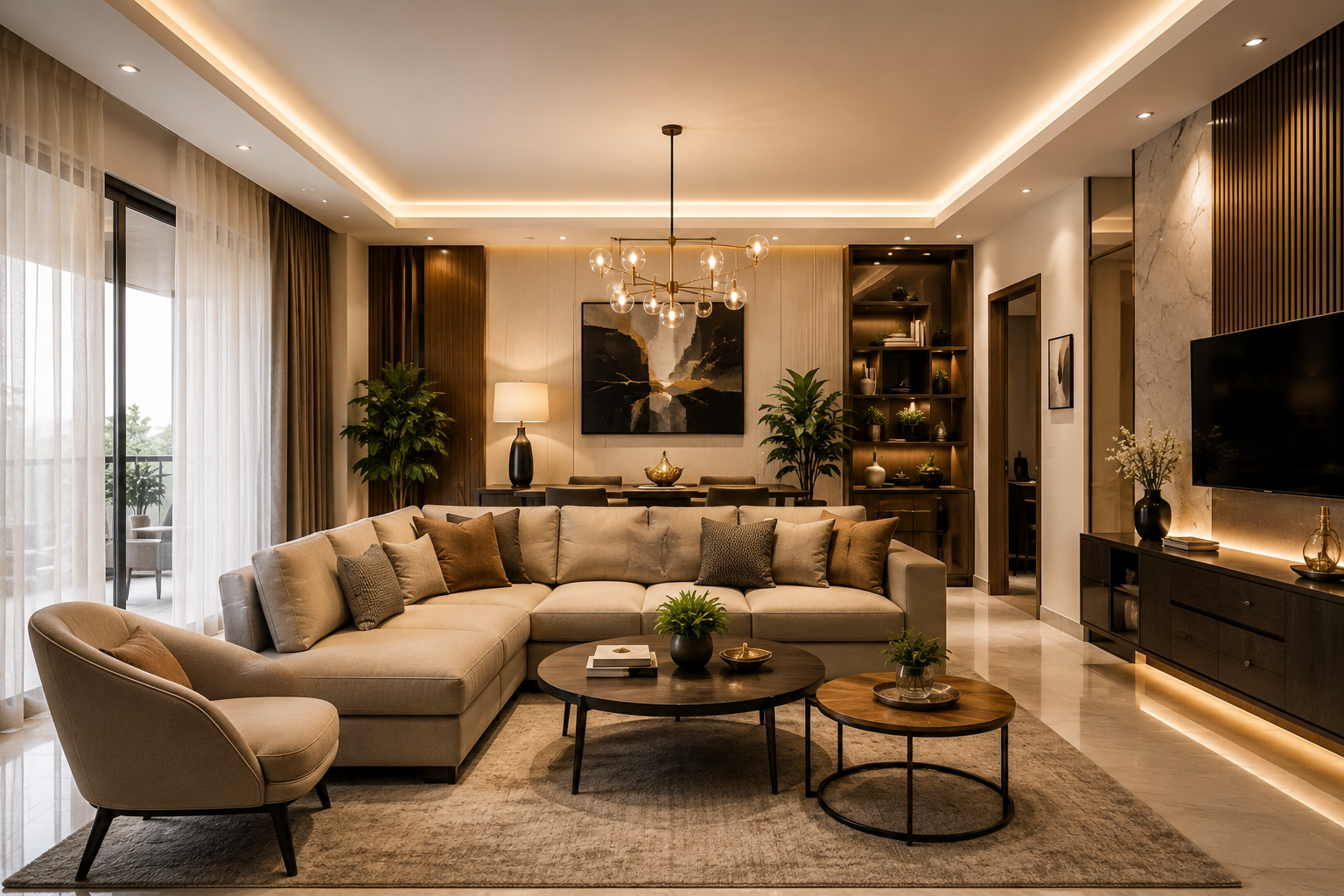
A well-designed interior makes your home more comfortable, functional, and beautiful. Whether you're building a new home or renovating, choosing the right interior design can improve your lifestyle and increase your property's value.
A well-designed interior makes your home more comfortable, functional, and beautiful. Whether you're building a new home or renovating an existing one, choosing the right interior design can improve your lifestyle and increase your property's value.
**Why Interior Design Matters**
Good interior design helps you maximize available space, improve natural lighting, enhance comfort, increase property value, create a modern and organized home, and improve energy efficiency.
**Top Interior Design Trends**
*Open Living Spaces:* Modern homes are moving towards open layouts where the living room, dining area, and kitchen flow together — better natural light, more spacious feel, easy family interaction, and improved ventilation.
*Minimalist Design:* Less is more. Minimalist interiors focus on clean lines, simple furniture, and clutter-free spaces with neutral colours, hidden storage, and clean finishes.
*Natural Materials:* Wood, stone, marble, and natural fabrics — wooden flooring, stone countertops, cotton curtains, bamboo furniture — create a warm and timeless look.
*Smart Home Features:* Smart lighting, smart door locks, video doorbells, voice-controlled devices, and automated curtains are making homes more convenient and energy-efficient.
*Functional Modular Kitchens:* Soft-close cabinets, pull-out drawers, built-in appliances, easy-to-clean surfaces, and adequate storage combine style with functionality.
*Space-Saving Furniture:* Foldable dining tables, storage beds, wall-mounted desks, sofa-cum-beds, and multi-purpose cabinets — perfect for apartments and compact homes.
*Sustainable Interior Design:* LED lighting, energy-efficient appliances, low-VOC paints, recycled wood, and water-saving fixtures reduce environmental impact and lower utility bills.
*Layered Lighting:* Combining ceiling lights, pendant lights, wall lights, table lamps, under-cabinet lighting, and natural daylight makes every room more inviting.
*Neutral Colour Palettes:* White, beige, grey, cream, soft brown, and light green create a calm and elegant atmosphere, with accent colours added through cushions and décor.
*Indoor Plants and Green Spaces:* Snake Plant, Money Plant, Peace Lily, Areca Palm, and ZZ Plant improve both appearance and air quality.
**Tips for Planning Your Interior Design**
Set a budget for furniture, modular kitchen, wardrobes, flooring, lighting, curtains, and décor (keep 5–10% contingency). Choose durable materials — vitrified tiles, engineered wood, moisture-resistant plywood, quartz countertops, and high-quality laminates. Focus on storage — floor-to-ceiling wardrobes, loft storage, kitchen pantry units, and under-bed storage.
**Common Interior Design Mistakes to Avoid**
Choosing style over functionality, ignoring storage needs, poor lighting design, buying oversized furniture, using too many colours, selecting low-quality materials, and not planning electrical points in advance.
**Frequently Asked Questions**
*What is the most important part of interior design?* Space planning, lighting, and functionality are the foundation of good interior design.
*How long does interior work take?* Most residential interior projects take 6–12 weeks, depending on the scope of work and material availability.
*Should I hire an interior designer?* Yes — an experienced interior designer can help optimize your space, avoid costly mistakes, and deliver a well-planned, cohesive design.
**Why Interior Design Matters**
Good interior design helps you maximize available space, improve natural lighting, enhance comfort, increase property value, create a modern and organized home, and improve energy efficiency.
**Top Interior Design Trends**
*Open Living Spaces:* Modern homes are moving towards open layouts where the living room, dining area, and kitchen flow together — better natural light, more spacious feel, easy family interaction, and improved ventilation.
*Minimalist Design:* Less is more. Minimalist interiors focus on clean lines, simple furniture, and clutter-free spaces with neutral colours, hidden storage, and clean finishes.
*Natural Materials:* Wood, stone, marble, and natural fabrics — wooden flooring, stone countertops, cotton curtains, bamboo furniture — create a warm and timeless look.
*Smart Home Features:* Smart lighting, smart door locks, video doorbells, voice-controlled devices, and automated curtains are making homes more convenient and energy-efficient.
*Functional Modular Kitchens:* Soft-close cabinets, pull-out drawers, built-in appliances, easy-to-clean surfaces, and adequate storage combine style with functionality.
*Space-Saving Furniture:* Foldable dining tables, storage beds, wall-mounted desks, sofa-cum-beds, and multi-purpose cabinets — perfect for apartments and compact homes.
*Sustainable Interior Design:* LED lighting, energy-efficient appliances, low-VOC paints, recycled wood, and water-saving fixtures reduce environmental impact and lower utility bills.
*Layered Lighting:* Combining ceiling lights, pendant lights, wall lights, table lamps, under-cabinet lighting, and natural daylight makes every room more inviting.
*Neutral Colour Palettes:* White, beige, grey, cream, soft brown, and light green create a calm and elegant atmosphere, with accent colours added through cushions and décor.
*Indoor Plants and Green Spaces:* Snake Plant, Money Plant, Peace Lily, Areca Palm, and ZZ Plant improve both appearance and air quality.
**Tips for Planning Your Interior Design**
Set a budget for furniture, modular kitchen, wardrobes, flooring, lighting, curtains, and décor (keep 5–10% contingency). Choose durable materials — vitrified tiles, engineered wood, moisture-resistant plywood, quartz countertops, and high-quality laminates. Focus on storage — floor-to-ceiling wardrobes, loft storage, kitchen pantry units, and under-bed storage.
**Common Interior Design Mistakes to Avoid**
Choosing style over functionality, ignoring storage needs, poor lighting design, buying oversized furniture, using too many colours, selecting low-quality materials, and not planning electrical points in advance.
**Frequently Asked Questions**
*What is the most important part of interior design?* Space planning, lighting, and functionality are the foundation of good interior design.
*How long does interior work take?* Most residential interior projects take 6–12 weeks, depending on the scope of work and material availability.
*Should I hire an interior designer?* Yes — an experienced interior designer can help optimize your space, avoid costly mistakes, and deliver a well-planned, cohesive design.
Was this helpful?
Share this article with someone who might find it useful.
Start Your Project Today
Connect with verified builders and get multiple quotes for your construction needs.