Many people use the terms renovation and remodeling interchangeably, but they are different. Understanding the difference will help you choose the right solution, manage your budget, and achieve the results you want.
Thinking about improving your home? Many people use the terms renovation and remodeling interchangeably, but they are different. Understanding the difference will help you choose the right solution, manage your budget, and achieve the results you want.
**What is Home Renovation?**
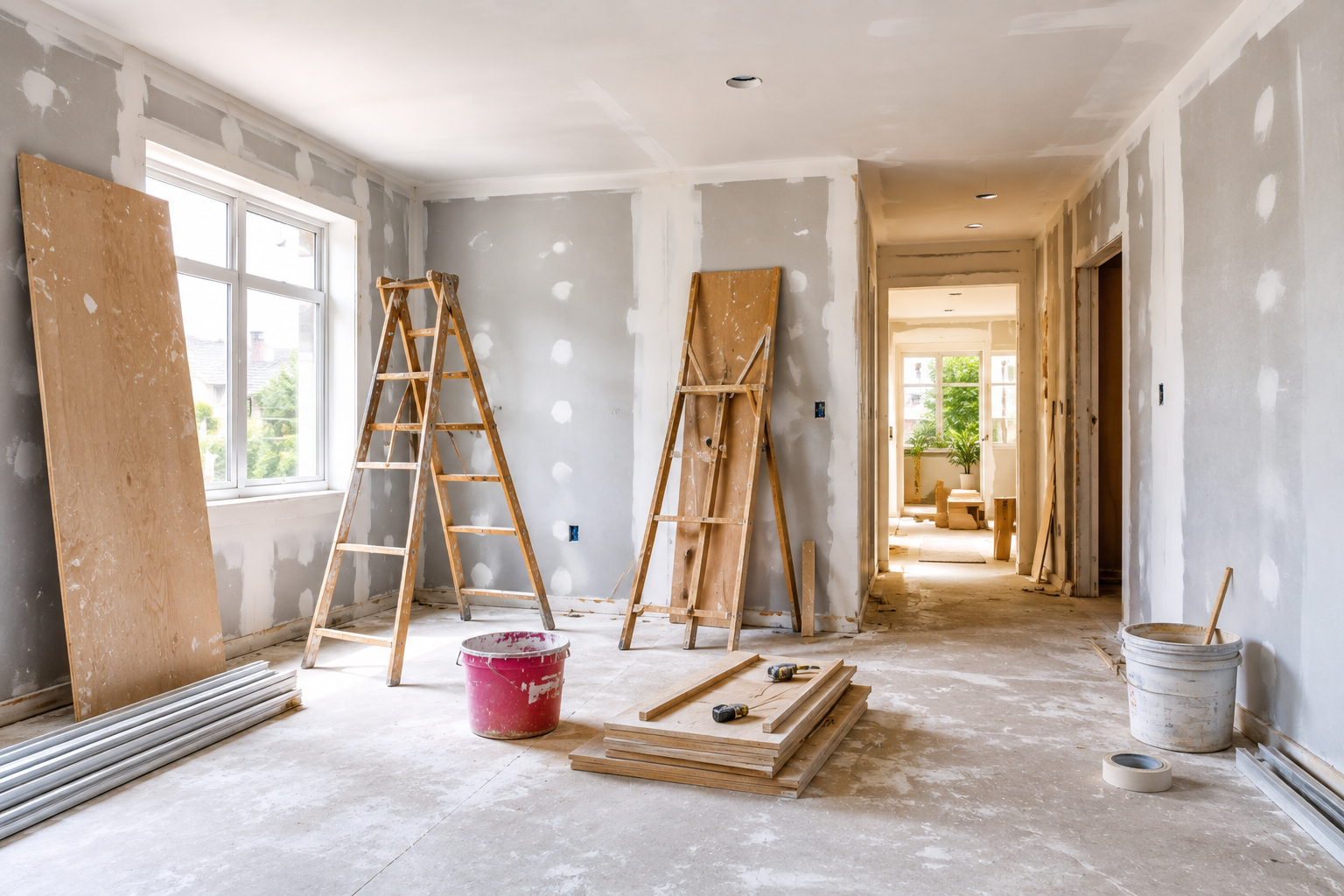
Renovation means restoring or upgrading an existing space without changing its original layout. Examples include repainting walls, replacing old flooring, updating kitchen cabinets, installing new lighting, replacing doors and windows, waterproofing and repairing walls, and upgrading bathrooms with new fittings. Best for homes that need a fresh look or minor improvements.
**What is Home Remodeling?**
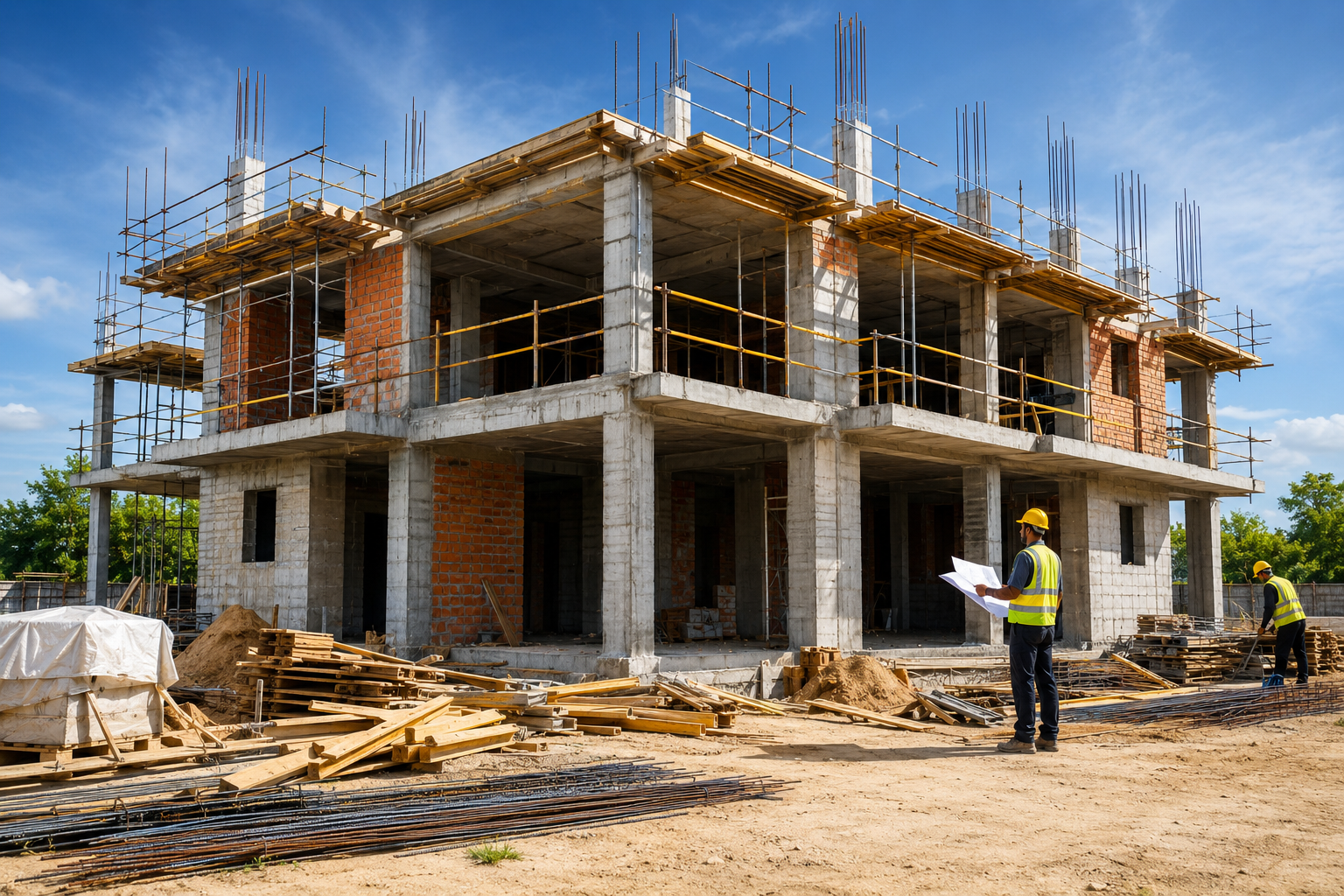
Remodeling involves changing the structure or layout of your home to improve functionality or create new spaces. Examples include removing or adding walls, expanding a kitchen, converting a bedroom into a home office, adding a new bathroom, extending the living room, and building an additional floor. Best for homeowners who want major design changes or more living space.
**When Should You Renovate?**
Renovation is the right choice if your home looks outdated, walls or flooring are damaged, plumbing or electrical fixtures need replacement, you want to increase your property's value, or you have a limited budget.
**When Should You Remodel?**
Consider remodeling if your family needs more space, you want an open kitchen or larger living room, you plan to add another bedroom, your home's layout no longer meets your needs, or you're making long-term improvements.
**Planning Your Renovation Project**
Set a budget including materials, labour, furniture, painting, electrical work, plumbing, and unexpected expenses (5–10%). Prioritize essential repairs first — roof leaks, waterproofing, plumbing, electrical — then move to cosmetic upgrades. Hire experienced professionals who provide written quotations and realistic timelines. Select quality materials that reduce future maintenance costs. Monitor progress regularly.
**Common Renovation Mistakes to Avoid**
Starting without a clear budget, hiring based only on the lowest price, ignoring waterproofing issues, choosing poor-quality materials, skipping written contracts, not checking local building regulations, and making frequent design changes during construction.
**Conclusion**
Whether you choose renovation or remodeling, careful planning is the key to a successful project. Working with experienced professionals and using quality materials will help ensure your investment adds lasting value to your home.
**Frequently Asked Questions**
*Which is cheaper: renovation or remodeling?* Renovation is generally less expensive because it focuses on improving existing spaces without changing the structure.
*Does renovation increase property value?* Yes. Updating kitchens, bathrooms, flooring, and paint can significantly improve your home's market value.
*How long does a home renovation take?* Small renovation projects may take 2–6 weeks, while larger renovations can take 2–6 months, depending on the scope of work.
*Do I need approval for renovation?* Minor repairs usually don't require approval. Structural changes or extensions may need permission from your local municipal authority.
**What is Home Renovation?**
Renovation means restoring or upgrading an existing space without changing its original layout. Examples include repainting walls, replacing old flooring, updating kitchen cabinets, installing new lighting, replacing doors and windows, waterproofing and repairing walls, and upgrading bathrooms with new fittings. Best for homes that need a fresh look or minor improvements.
**What is Home Remodeling?**
Remodeling involves changing the structure or layout of your home to improve functionality or create new spaces. Examples include removing or adding walls, expanding a kitchen, converting a bedroom into a home office, adding a new bathroom, extending the living room, and building an additional floor. Best for homeowners who want major design changes or more living space.
**When Should You Renovate?**
Renovation is the right choice if your home looks outdated, walls or flooring are damaged, plumbing or electrical fixtures need replacement, you want to increase your property's value, or you have a limited budget.
**When Should You Remodel?**
Consider remodeling if your family needs more space, you want an open kitchen or larger living room, you plan to add another bedroom, your home's layout no longer meets your needs, or you're making long-term improvements.
**Planning Your Renovation Project**
Set a budget including materials, labour, furniture, painting, electrical work, plumbing, and unexpected expenses (5–10%). Prioritize essential repairs first — roof leaks, waterproofing, plumbing, electrical — then move to cosmetic upgrades. Hire experienced professionals who provide written quotations and realistic timelines. Select quality materials that reduce future maintenance costs. Monitor progress regularly.
**Common Renovation Mistakes to Avoid**
Starting without a clear budget, hiring based only on the lowest price, ignoring waterproofing issues, choosing poor-quality materials, skipping written contracts, not checking local building regulations, and making frequent design changes during construction.
**Conclusion**
Whether you choose renovation or remodeling, careful planning is the key to a successful project. Working with experienced professionals and using quality materials will help ensure your investment adds lasting value to your home.
**Frequently Asked Questions**
*Which is cheaper: renovation or remodeling?* Renovation is generally less expensive because it focuses on improving existing spaces without changing the structure.
*Does renovation increase property value?* Yes. Updating kitchens, bathrooms, flooring, and paint can significantly improve your home's market value.
*How long does a home renovation take?* Small renovation projects may take 2–6 weeks, while larger renovations can take 2–6 months, depending on the scope of work.
*Do I need approval for renovation?* Minor repairs usually don't require approval. Structural changes or extensions may need permission from your local municipal authority.
Was this helpful?
Share this article with someone who might find it useful.
Start Your Project Today
Connect with verified builders and get multiple quotes for your construction needs.